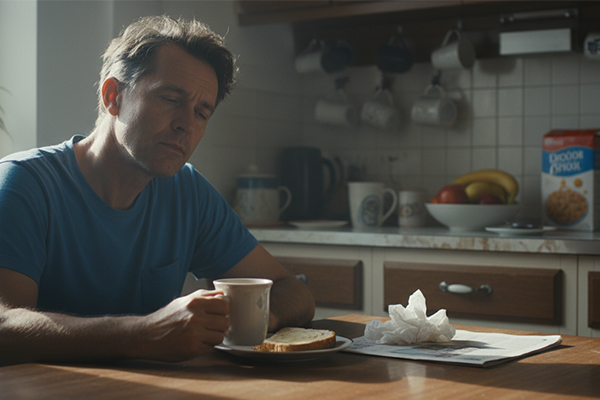
It doesn’t usually start with a diagnosis.
It starts with a feeling.
You eat breakfast… and you’re hungry again two hours later.
You get through lunch… and suddenly feel like you need a nap.
You grab something sweet… and feel better—for a little while.
Then the cycle repeats.
For a growing number of Americans, this pattern is becoming strangely familiar.
Not extreme. Not dramatic.
Just… off.
And the question more people are starting to ask is:
“Why does my energy feel so unstable?”
It starts with a feeling.
You eat breakfast… and you’re hungry again two hours later.
You get through lunch… and suddenly feel like you need a nap.
You grab something sweet… and feel better—for a little while.
Then the cycle repeats.
For a growing number of Americans, this pattern is becoming strangely familiar.
Not extreme. Not dramatic.
Just… off.
And the question more people are starting to ask is:
“Why does my energy feel so unstable?”
Blood sugar isn’t just a “health issue”—it’s an energy system
Most people think of blood sugar as something only relevant if you have a medical condition.
But in reality, it affects everyone, every single day.
Every time you eat, your body is managing blood sugar.
Here’s what’s supposed to happen:
But in reality, it affects everyone, every single day.
Every time you eat, your body is managing blood sugar.
Here’s what’s supposed to happen:
- You eat food (especially carbs)
- Your body breaks it down into glucose (sugar in your blood)
- That glucose is moved into your cells
- Your cells use it as energy
When that system works well, you feel:
- steady energy
- fewer cravings
- mental clarity
But when that system becomes less stable?
That’s when people start noticing:
- energy crashes after meals
- brain fog
- irritability
- constant snacking just to “feel normal”
What’s changed—and why more people are noticing it
So why does this feel more common now?
There’s no single answer—but there are patterns.
There’s no single answer—but there are patterns.
Modern eating habits often include:
- more frequent meals and snacks
- more refined carbohydrates
- more hidden sugars in everyday foods
That means your body is managing blood sugar… constantly.
Not just a few times a day—but over and over again.
And over time, that can make the system feel less stable.
Not just a few times a day—but over and over again.
And over time, that can make the system feel less stable.
The part most people never get taught
Here’s the key insight most people were never taught:
It’s not just about how high your blood sugar goes—it’s how smoothly your body handles it.
Because big spikes aren’t the only issue.
It’s the rollercoaster that follows:
It’s not just about how high your blood sugar goes—it’s how smoothly your body handles it.
Because big spikes aren’t the only issue.
It’s the rollercoaster that follows:
- spike → crash → craving → repeat
And that rollercoaster is what people feel day to day.
Not in numbers.
But in energy.
Not in numbers.
But in energy.
A simple way to spot it in your own body
Here’s a quick, practical check most people have never tried:
👉 Notice how you feel 90 minutes after eating.
Not immediately after.
Not hours later.
👉 Notice how you feel 90 minutes after eating.
Not immediately after.
Not hours later.