Most people treat oral care like maintenance:
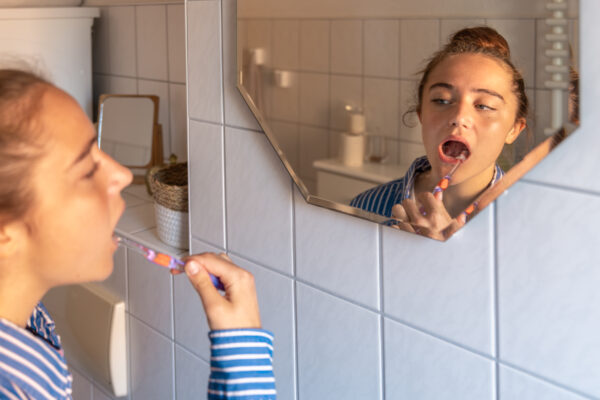
Brush.
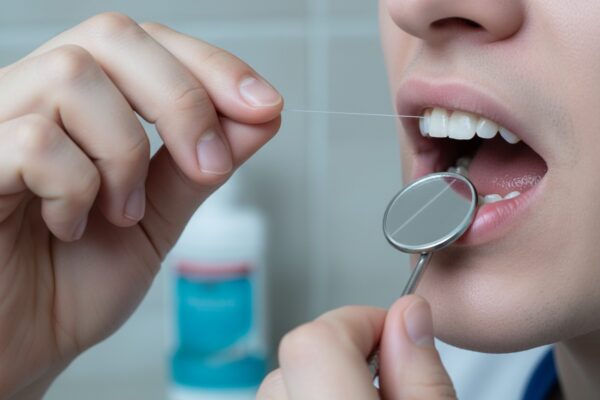
Floss (occasionally).
Move on.
It’s routine.
Not something you think deeply about.
But here’s the question more people are starting to explore:
What if oral balance plays a bigger role than we’ve been giving it credit for?
Brush.
Floss (occasionally).
Move on.
It’s routine.
Not something you think deeply about.
But here’s the question more people are starting to explore:
What if oral balance plays a bigger role than we’ve been giving it credit for?
It’s not just about cleaning—it’s about maintaining balance
Brushing and flossing are important.
But their purpose isn’t just “cleaning.”
It’s maintaining a stable environment.
But their purpose isn’t just “cleaning.”
It’s maintaining a stable environment.
Because your mouth is constantly:
- exposed to food
- adjusting to different conditions
- interacting with bacteria
The goal isn’t to eliminate everything.
It’s to keep things in balance.
It’s to keep things in balance.
What happens when that balance shifts
When oral balance is off, your body often gives small signals:
- gums feel more sensitive
- breath changes
- teeth feel different than usual
- mouth feels dry or irritated
Individually, these don’t seem like a big deal.
But they’re indicators.
And over time, those small signals can compound.
But they’re indicators.
And over time, those small signals can compound.
Why consistency matters more than intensity
Most people think:
👉 “As long as I brush, I’m good.”
But consistency matters more than intensity.
👉 “As long as I brush, I’m good.”
But consistency matters more than intensity.
Because your mouth is exposed to inputs all day long.
Which means balance isn’t built in one moment—it’s maintained over time.
Which means balance isn’t built in one moment—it’s maintained over time.
A simple structure most people benefit from
Here’s a practical routine that goes beyond the basics:
👉 2 + 1 rule:
👉 2 + 1 rule:
- Brush 2x per day (morning + night)
- Floss 1x per day (preferably at night)
And here’s the part most people miss:
👉 Wait at least 30 minutes after eating before brushing.
👉 Wait at least 30 minutes after eating before brushing.
Why?
Because right after eating, your enamel can be temporarily softened.
Brushing immediately can be harsher than helpful.
Because right after eating, your enamel can be temporarily softened.
Brushing immediately can be harsher than helpful.
The takeaway people overlook
Your oral health isn’t just about avoiding problems.
It’s about maintaining a stable environment your body can work with.
It’s about maintaining a stable environment your body can work with.
Because when things are balanced:
- your mouth feels normal
- your routine feels easy
- your body doesn’t have to compensate
And when you understand that…
You stop thinking of oral care as a chore—
And start seeing it as part of how your body stays in sync overall.
You stop thinking of oral care as a chore—
And start seeing it as part of how your body stays in sync overall.